How Sleep Apnea Affects Your Teeth and Jaw
How sleep apnea affects your teeth and jaw is not always obvious at first, but many patients in St. Charles and Glen Ellyn, IL are surprised to learn how closely sleep apnea and oral health are connected. This condition does more than interrupt sleep. It can lead to tooth damage, jaw discomfort, and other dental concerns that develop over time without clear warning signs.
At Family Dental Care, we often help patients recognize how sleep patterns and oral health are linked. Understanding these connections can make it easier to spot symptoms early and seek the right kind of care.
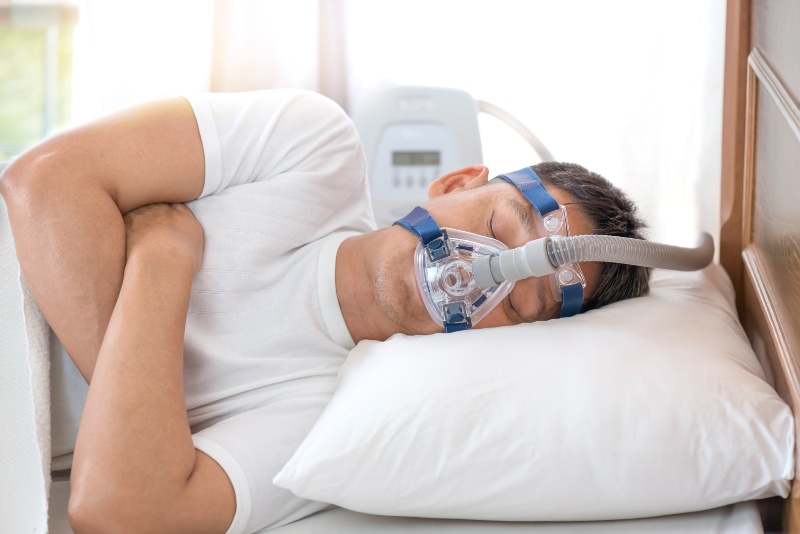
What Is Sleep Apnea?
Sleep apnea is a condition where breathing repeatedly stops and starts during sleep. These pauses can last a few seconds or longer and may happen many times throughout the night.
The most common type is obstructive sleep apnea, which occurs when the airway becomes partially or fully blocked. This can happen due to relaxed throat muscles, tongue positioning, or the structure of the jaw.
Because these interruptions reduce oxygen levels and disrupt sleep cycles, the body responds in ways that can affect more than just rest. Over time, these patterns can contribute to broader concerns, including how sleep apnea impacts oral health.
The Link Between Sleep Apnea & Oral Structures
The mouth, jaw, and airway are closely connected. When airflow is restricted during sleep, the body may shift the jaw forward or tense surrounding muscles to reopen the airway.
These repeated movements can place strain on oral structures. Over time, this can lead to uneven pressure on teeth, jaw discomfort, and changes in bite alignment.
Understanding how sleep apnea affects your teeth and jaw helps explain why dentists are often among the first to notice signs of the condition.
Teeth Grinding & Tooth Damage
One of the most common sleep apnea effects on teeth is grinding, also known as bruxism. Many people are not aware they grind their teeth during sleep, but the effects can become visible over time. Signs of grinding may include:
- Flattened or worn tooth surfaces
- Increased tooth sensitivity
- Small cracks or chips in teeth
- Tightness in the jaw upon waking
Grinding places significant pressure on teeth night after night. Without treatment, this can lead to long-term damage that may require restorative dental care.
Jaw Pain & TMJ Disorders
Jaw discomfort is another issue often linked to sleep apnea. The constant shifting and tension in the jaw can contribute to problems with the temporomandibular joint. Patients experiencing sleep apnea and TMJ concerns may notice:
- Clicking or popping sounds in the jaw
- Pain when chewing or speaking
- Limited jaw movement
- Morning stiffness or soreness
These symptoms are often gradual, which makes them easy to overlook. However, they can worsen over time if the underlying cause is not addressed.
Dry Mouth & Increased Cavity Risk
Sleep apnea can also lead to dry mouth, especially for individuals who breathe through their mouth during sleep. Saliva plays an important role in protecting teeth by washing away bacteria and neutralizing acids.
When saliva levels drop, the risk of cavities increases. This is one of the more overlooked dental issues caused by sleep apnea, but it can have a significant impact on oral health. Common signs of dry mouth include:
- Waking up with a dry or sticky feeling
- Bad breath that persists
- Increased plaque buildup
- Higher likelihood of cavities
Addressing dry mouth early can help reduce these risks and support healthier teeth and gums.
How Dentists Identify Sleep Apnea Signs
Dentists are often able to spot patterns that suggest sleep apnea during routine exams. While they do not diagnose sleep disorders directly, they can identify warning signs and recommend further evaluation. Some indicators include:
- Unusual wear patterns on teeth
- Signs of grinding or clenching
- Jaw alignment concerns
- Reports of dry mouth or poor sleep
Recognizing these patterns helps connect sleep apnea and oral health concerns before they progress further.
Dental Treatment & Oral Appliances
For many patients, dental treatment plays an important role in managing symptoms. Oral appliances are commonly used to help keep the airway open during sleep.
These devices are custom-made and fit comfortably over the teeth. They work by gently repositioning the jaw to improve airflow and reduce interruptions in breathing. Benefits of oral appliances may include:
- Reduced teeth grinding
- Less strain on the jaw
- Improved sleep quality
- Lower risk of long-term dental damage
For patients wondering, “can sleep apnea cause jaw pain and dental issues,” treatment often helps address both the cause and the symptoms at the same time.
What This Means for Your Long-Term Oral Health
Ignoring sleep apnea can lead to ongoing dental problems that become more complex over time. Tooth wear, jaw discomfort, and cavity risk can all increase if the condition is left untreated.
The connection between sleep apnea and oral health highlights the importance of early awareness. Addressing symptoms sooner can help protect your teeth, reduce discomfort, and improve overall well-being.
At Family Dental Care, we work with patients in St. Charles and Glen Ellyn, IL to identify concerns early and guide them toward appropriate care.
Schedule an Evaluation With Family Dental Care
If you have noticed signs like grinding, jaw pain, or persistent dry mouth, it may be time to take a closer look. Understanding how sleep apnea affects your teeth and jaw can help you make informed decisions about your health.
Contact Family Dental Care today to schedule an evaluation. Our team is here to help you explore your symptoms, answer your questions, and recommend next steps that support both your sleep and your oral health.
Frequently Asked Questions
Sleep apnea can raise a lot of questions, especially when symptoms begin to affect your teeth and jaw. Here are some common concerns patients often have.
Can Sleep Apnea Cause Jaw Pain & Dental Issues?
Yes. Sleep apnea can lead to grinding, jaw tension, and alignment issues, all of which may cause discomfort and dental damage over time.
How Does Sleep Apnea Impact Oral Health?
Sleep apnea impacts oral health by contributing to grinding, dry mouth, and increased cavity risk. It can also affect jaw function and tooth structure.
What Are the Signs of Sleep Apnea in the Mouth?
Common signs include worn teeth, jaw pain, dry mouth, and signs of grinding. Dentists often notice these during routine exams.
Are Dental Treatments Effective for Sleep Apnea?
Oral appliances can be an effective option for managing symptoms. They help keep the airway open and reduce strain on the teeth and jaw.
Should I See a Dentist if I Suspect Sleep Apnea?
Yes. A dentist can identify early signs and guide you toward further evaluation or treatment options that support both sleep and oral health. We can address jaw problems from sleep apnea and more.