Understanding Dental Sealants: Are They Right for You?
Understanding dental sealants starts with knowing how they protect teeth from everyday wear and decay. Many patients in St. Charles and Glen Ellyn, IL ask about dental sealants as a preventive option, especially for children, but they can also benefit adults in certain situations. These thin protective coatings are designed to shield vulnerable areas of the teeth and reduce the risk of cavities before they start.
At Family Dental Care, we focus on prevention as much as treatment. Dental sealants are one of the simplest ways to support long-term oral health without adding complicated routines to your day.
What Are Dental Sealants?
If you have ever wondered what are dental sealants, they are thin, protective coatings applied to the chewing surfaces of the back teeth. These surfaces often have small grooves and pits where food and bacteria can collect.
Even with regular brushing, these areas can be difficult to clean thoroughly. Sealants act as a barrier, covering those grooves and helping prevent plaque from settling in.
They are clear or tooth-colored, making them barely noticeable once applied. The goal is simple: protect the most cavity-prone areas before decay begins.
Why Molars Are More Vulnerable to Decay
Molars play a big role in chewing, but their shape also makes them more prone to cavities. The deep grooves on these teeth can trap food particles and bacteria, especially in children who are still learning proper brushing techniques.
This is where how dental sealants prevent tooth decay becomes especially important. By sealing off these grooves, the risk of buildup is reduced significantly.
Children are often at higher risk because their brushing habits are still developing. However, adults with deep grooves or a history of cavities can also benefit from added protection.
How Dental Sealants Work
Dental sealants create a smooth surface over the tooth, which makes it harder for food and bacteria to stick. Once applied, they act as a protective shield during daily use.
The process is simple and non-invasive. There is no drilling or removal of tooth structure. Instead, the sealant bonds directly to the enamel and begins protecting the tooth right away.
Many patients choose sealants as part of their preventive care because they are quick, effective, and require little maintenance beyond normal oral hygiene.
Who Benefits Most from Sealants?
While often associated with children, sealants can be helpful for different age groups depending on their dental needs. Patients who may benefit include:
- Children with newly erupted molars
- Teens who are more prone to cavities
- Adults with deep grooves in their teeth
- Patients with a history of tooth decay
- Individuals looking for extra cavity prevention
Dental sealants for kids are especially common because they help protect teeth during the years when cavities are more likely. At the same time, dental sealants for adults can provide added protection in specific cases.
The Dental Sealants Procedure
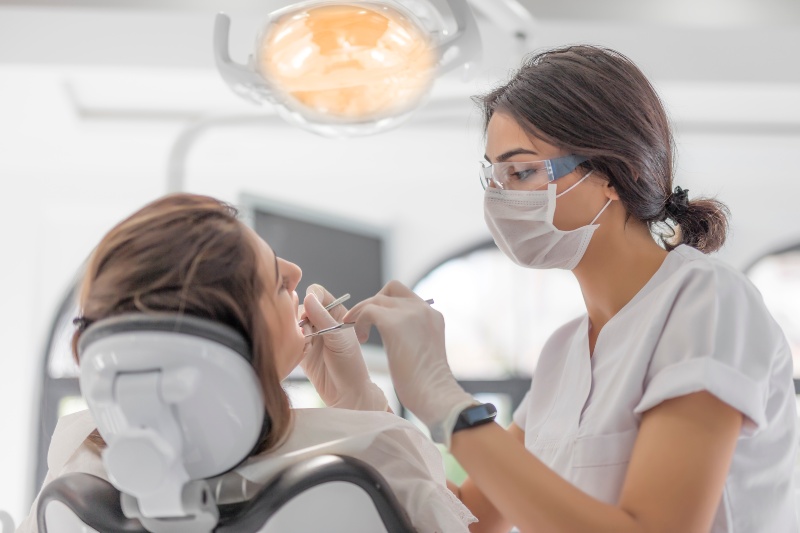
The dental sealants procedure is straightforward and usually completed during a regular dental visit. It does not require anesthesia and can often be done in a short amount of time. The process typically includes:
- Cleaning and drying the tooth
- Preparing the surface to help the sealant bond
- Applying the sealant material
- Hardening the sealant with a special light
Once complete, the tooth is ready to function normally. Patients can eat and drink shortly after the appointment.
How Long Dental Sealants Last
Sealants are durable, but they are not permanent. On average, they can last several years with proper care.
Regular dental checkups help ensure they remain intact. If a sealant wears down or chips, it can be repaired or replaced easily.
This long-lasting protection is one of the key benefits of dental sealants, especially when combined with good brushing and flossing habits.
Dental Sealants Pros & Cons
Like any dental treatment, there are both advantages and considerations to keep in mind. Some benefits include:
- Protection against cavities in hard-to-reach areas
- Quick and painless application
- Long-lasting preventive support
- Cost-effective compared to treating cavities
Potential considerations include:
- Not a replacement for daily brushing and flossing
- May need to be reapplied over time
- Not necessary for every tooth or patient
Understanding dental sealants pros and cons helps you make a more informed decision about whether they are right for you or your child.
Talking to Your Dentist About Sealants
The best way to decide are dental sealants right for you is to have a conversation with your dentist. Every patient has different needs based on age, oral health history, and risk factors.
At Family Dental Care, we evaluate each patient individually. We look at factors like cavity history, tooth structure, and overall oral hygiene habits before making recommendations.
Preventive care is not one-size-fits-all, but sealants can be a valuable part of a personalized approach to maintaining healthy teeth.
Protect Your Smile With Preventive Care
Preventing cavities is always easier than treating them later. Dental sealants offer a simple way to add an extra layer of protection, especially for those more vulnerable to decay.
If you are interested in learning more about dental sealants or scheduling an appointment, Family Dental Care in St. Charles and Glen Ellyn, IL is here to help. Our team can guide you through your options and recommend the best approach for your long-term oral health.
Frequently Asked Questions
Patients often have questions about how sealants work and whether they are necessary. Here are some common answers to help you feel more confident in your decision.
What Are Dental Sealants Used For?
Dental sealants are used to protect the chewing surfaces of molars from cavities by sealing out food particles and bacteria.
Are Dental Sealants Only for Kids?
No. While dental sealants for kids are common, adults can also benefit depending on their dental health and risk of decay.
How Long Do Dental Sealants Last?
Sealants can last several years with proper care. Regular dental visits help ensure they remain effective over time.
Do Dental Sealants Replace Brushing & Flossing?
No. Sealants are an added layer of protection, but daily brushing and flossing are still necessary for overall oral health.
Are Dental Sealants Worth It for Cavity Prevention?
For many patients, yes. Dental sealants for cavity prevention can reduce the risk of decay, especially in hard-to-clean areas.