Why Dental Health Is Crucial for Seniors
Why dental health is important for seniors becomes clearer with age, especially for patients in St. Charles and Glen Ellyn, IL who want to maintain comfort, function, and overall well-being. Strong dental health for seniors supports more than just a healthy smile. It plays a role in eating, speaking, and even managing other health conditions.
At Family Dental Care, we work with older adults to help them stay comfortable and confident in their daily lives. With the right approach, maintaining oral health later in life can feel manageable and worthwhile.
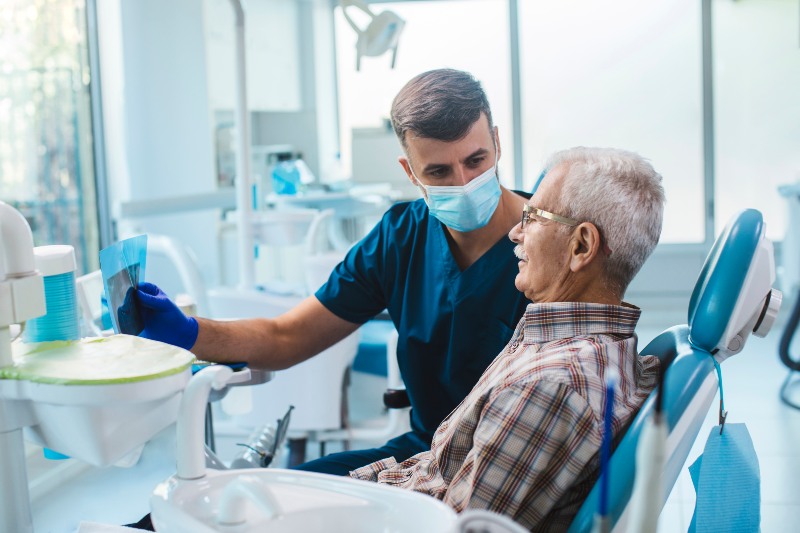
How Aging Affects Oral Health
As the body changes with age, so does the mouth. Teeth may become more sensitive, gums may recede, and natural wear can begin to show. These changes are normal, but they also make regular care more important.
Understanding how aging affects oral health helps patients recognize what to expect and how to respond. Small issues can develop gradually, which makes early attention key to preventing more complex concerns.
Changes in saliva production, gum tissue, and enamel strength can all influence how the mouth responds to bacteria and daily use.
Common Dental Issues in Older Adults
Older adults may experience a range of dental concerns that require ongoing attention. These issues are often manageable when caught early. Common concerns include:
- Tooth decay, especially around existing fillings
- Gum disease or inflammation
- Tooth sensitivity or enamel wear
- Loose or shifting teeth
- Dry mouth caused by medications
Recognizing these dental health challenges for seniors allows for more proactive care and better long-term outcomes.
Oral Health & Overall Health Connection
Oral health is closely connected to overall health. Conditions in the mouth can influence other parts of the body, particularly when infections or inflammation are present.
Research has shown links between oral health and conditions such as heart disease, diabetes, and respiratory concerns. This connection highlights the importance of dental health in aging, as maintaining a healthy mouth can support broader wellness.
For many patients, taking care of their teeth and gums becomes part of managing overall health, not just dental care.
Medication-Related Oral Health Challenges
Many older adults take medications that can affect oral health. One of the most common side effects is dry mouth, which reduces saliva and increases the risk of cavities.
Saliva plays an important role in protecting teeth, so reduced levels can make it easier for bacteria to build up. This is a key part of oral health for elderly patients to monitor. Other medication-related concerns may include:
- Changes in taste
- Increased gum sensitivity
- Higher risk of infection
Talking with your dentist about medications can help identify ways to reduce these effects and protect your oral health.
Importance of Preventive Dental Care
Preventive care becomes even more valuable with age. Regular dental visits help catch issues early and reduce the need for more involved treatments later. Routine care may include:
- Professional cleanings to remove plaque buildup
- Exams to monitor gum health and tooth condition
- X-rays to detect hidden concerns
- Guidance on daily care routines
Following senior dental care tips can make a noticeable difference in maintaining comfort and function over time.
Dentures & Implants for Better Living
For patients who have lost teeth, restorative options can improve both function and confidence. Dentures and dental implants are two common solutions that help restore the ability to eat and speak comfortably.
Dentures provide a removable option that replaces missing teeth, while implants offer a more permanent solution anchored into the jaw. Both can support maintaining healthy teeth in old age by improving daily function and reducing strain on remaining teeth. Choosing the right option depends on individual needs, health conditions, and personal preferences.
Maintaining Comfort & Quality of Life
Oral health plays a direct role in daily comfort. Being able to eat favorite foods, speak clearly, and smile with confidence all contribute to quality of life.
Focusing on oral care for older adults means looking beyond basic hygiene and considering overall comfort. Small improvements in dental health can lead to noticeable changes in how patients feel day to day.
Whether it is reducing sensitivity, improving fit of dental appliances, or preventing gum irritation, these steps support long-term well-being.
Supporting Long-Term Oral Health for Seniors
Taking care of your teeth and gums later in life is an important part of staying healthy and independent. With consistent care and regular dental visits, many common issues can be managed or prevented.
If you or a loved one have questions about senior dental care, Family Dental Care in St. Charles and Glen Ellyn, IL is here to help. Our team provides personalized care and guidance to support your needs at every stage.
Frequently Asked Questions
Many patients and caregivers have questions about how to maintain oral health as they age. Here are some helpful answers to common concerns.
Why Is Dental Health Important for Seniors?
Dental health supports eating, speaking, and overall health. It also helps prevent infections and discomfort that can affect daily life.
What Are Common Dental Problems in Older Adults?
Common issues include gum disease, tooth decay, dry mouth, and tooth sensitivity. Regular checkups help manage these concerns early.
How Does Aging Affect Oral Health?
Aging can lead to changes in enamel, gum tissue, and saliva production. These changes can increase the risk of dental problems if not addressed.
What Are Some Senior Dental Care Tips?
Daily brushing, flossing, staying hydrated, and regular dental visits are key habits that support long-term oral health.
How Often Should Seniors Visit the Dentist?
Most seniors should visit the dentist at least twice a year, though some may need more frequent visits depending on their oral health needs.