Tips for Maintaining Oral Health During Orthodontic Treatment
Tips for Maintaining Oral Health With Braces
Getting braces is exciting – straighter teeth, better alignment, a more confident smile. But there’s a catch: keeping your teeth clean gets a lot harder the moment brackets and wires enter the picture. Food gets trapped in places a regular toothbrush can barely reach, and skipping proper care, even for a day or two, can lead to plaque buildup, tooth decay, and gum irritation. Read Family Dental Care’s tips for maintaining oral health with braces for our patients in the St. Charles and Glen Ellyn, IL area. Whether you’re brand new to orthodontic treatment or a few months in, the right habits make all the difference.
Brushing Techniques for Braces
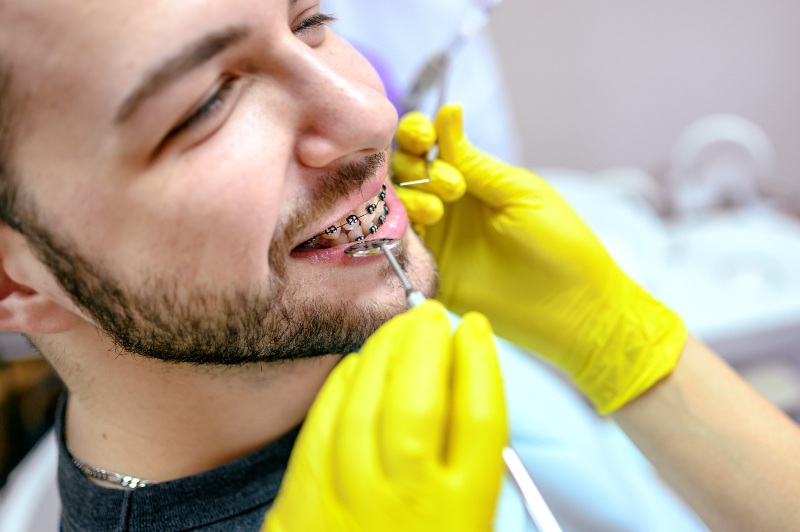
Brushing with braces takes more time and intention than brushing without them. Standard techniques often miss the brackets themselves, the area just below the wire, and the gumline – all spots where plaque loves to hide. These braces oral hygiene tips will help you cover all the bases.
Brush After Every Meal
Food particles get caught in brackets quickly, and the longer they sit, the more damage they can do. Aim to brush within 30 minutes of eating – carry a travel toothbrush if you’re away from home.
Use a Soft-Bristled Toothbrush
Hard bristles can damage brackets and irritate gums. A soft-bristled brush, angled at 45 degrees toward the gumline, lets you clean around the base of each bracket without unnecessary pressure.
Consider an Electric Toothbrush
Electric toothbrushes are genuinely worth it for orthodontic patients. The oscillating motion removes more plaque than manual brushing alone, especially around hard-to-reach brackets.
Clean Around Every Bracket
Brush above the bracket, below it, and directly on it. Use small circular motions rather than long sweeping strokes. Missing even one bracket consistently can lead to white spot lesions – permanent marks left on enamel after braces come off.
Don’t Forget Your Tongue and Gums
Oral health during braces isn’t just about the teeth. Gum health is important, and bacteria builds up on the tongue and along the gumline. A quick brush of both goes a long way in reducing overall bacteria levels in the mouth.
Flossing With Braces
Flossing with a wire in the way feels awkward at first, but skipping it isn’t an option. Without flossing, plaque accumulates between the teeth where brushing simply can’t reach – a major risk factor for cavities and gum disease. Here are a few tools worth knowing about for dental care during orthodontics:
- Floss Threaders – Thin, flexible needles designed to guide regular floss under the archwire and between teeth
- Orthodontic Floss – Pre-cut floss with a stiff end built in, eliminating the need for a separate threader
- Water Flossers – Devices like Waterpik use a pressurized stream of water to flush debris from between teeth and around brackets, which is particularly useful for patients who struggle with traditional floss
- Interdental Brushes – Tiny brush heads that fit between brackets and wires to sweep out stubborn debris
Dealing With Discomfort
Soreness after an adjustment is normal, typically peaking within the first 24 to 72 hours and fading on its own. Over-the-counter pain relievers like ibuprofen or acetaminophen can take the edge off the pain. Orthodontic wax is useful for covering sharp bracket edges that irritate the inside of the cheeks. Just press a small piece over the offending bracket and replace it as needed. Soft foods like yogurt, mashed potatoes, and scrambled eggs are easier on sore teeth during these windows.
Foods to Avoid
Some foods are genuinely risky with braces, not just mildly inconvenient. Hard or sticky foods can snap wires, pop brackets off teeth, and create weeks of delays in treatment. Practicing orthodontic care tips around diet is one of the easiest ways to protect your progress. Foods to steer clear of include:
- Hard Foods – Ice, hard candies, nuts, raw carrots, and crusty bread put excessive pressure on brackets.
- Sticky Foods – Caramel, taffy, chewing gum, and gummy candies wrap around wires and are nearly impossible to clean off completely.
- Crunchy Snacks – Popcorn is a particular offender, as the hulls wedge under wires and can cause infections.
- Sugary Drinks – Soda and juice promote acid erosion around brackets, increasing the risk of cavities and white spots.
- Chewy Meats – Tearing at tough cuts of meat can dislodge brackets, so opt for boneless, tender options instead.
Aligner-Specific Tips
Clear aligners like Invisalign® come with their own learning curve. The upside is that you can remove them to eat and brush, which makes oral hygiene for orthodontic patients a bit more straightforward. Still, a few habits matter more than people realize. Keep these orthodontic care tips in mind:
- Remove Aligners Before Every Meal and Drink – Only plain water should be consumed while wearing them.
- Clean Aligners Daily – Use a soft toothbrush and clear, unscented soap because toothpaste is too abrasive and can scratch the surface.
- Rinse Aligners – Rinse with lukewarm water before reinserting. Hot water warps the plastic.
- Brush and Floss Aligners – Before putting them away, brush the aligner to clear trapped food particles under the tray.
Importance of Regular Checkups
Knowing how to clean teeth with braces is essential, but professional cleanings catch what home care misses. Tips for healthy teeth with braces always include keeping up with dental appointments – not just orthodontic adjustments, but routine cleanings with your dentist as well. Plaque that hardens into tartar can only be removed with professional tools, and early signs of decay are much easier to treat when caught quickly.
Schedule an Appointment at Family Dental Care Now!
If you want personalized guidance on orthodontic treatment and dental care, our team at Family Dental Care is here to help. From routine cleanings to full orthodontic support, we’ll make sure your smile stays healthy from start to finish. Contact us today or schedule your appointment online now!
FAQs About Braces and Oral Hygiene
How Often Should I Brush My Teeth With Braces?
Brush after every meal and snack, at a minimum of three times per day. More frequent brushing reduces the amount of time food particles spend sitting against brackets and enamel.
Can I Use Mouthwash With Braces?
Yes, and it’s a good idea. A fluoride-based, alcohol-free mouthwash helps strengthen enamel and reaches areas between brackets that brushing can miss. Use it as the last step in your routine.
What Happens If I Don’t Take Care of My Teeth During Braces?
Neglecting oral hygiene with braces can result in white spot lesions, cavities, gum inflammation, and even bone loss in severe cases. These issues can delay treatment, add costs, and affect the final appearance of your smile.